


SOME OF MY FAVORITE TOOLS
Whenever I do shows, one of the most frequent questions people ask me is about my toolkit. Here is a closer look at some of my favorite tools for creating filigree
Wire Measurement and Preparation
-
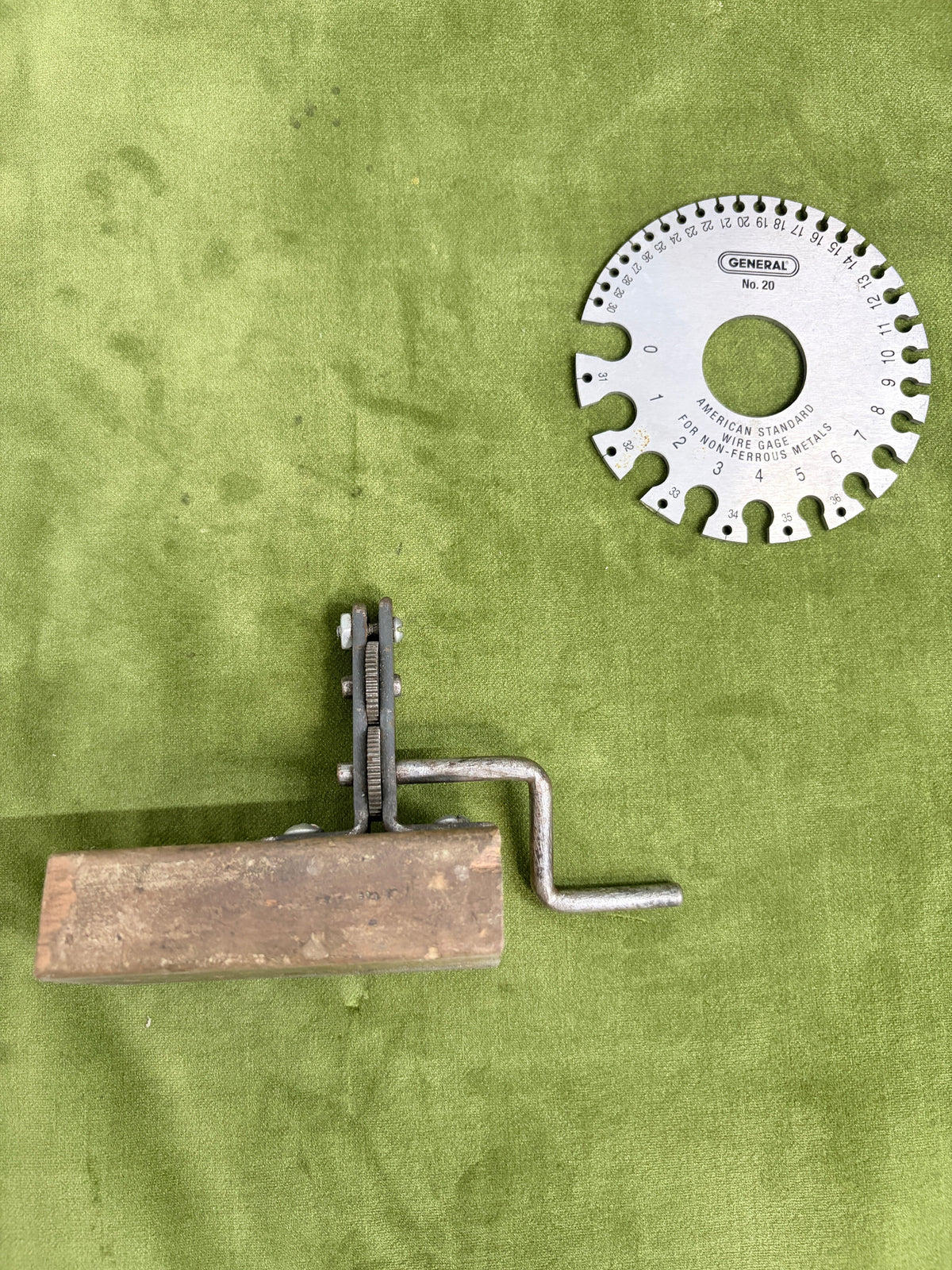
American Standard Wire Gauge (Round Disc): Precision is everything in filigree. This gauge is used to measure the exact thickness of your wires. Maintaining consistent wire gauges ensures your structural frames are strong enough and your delicate filler wires fit perfectly within your designs.
-
Hand-Cranked Wire Twister: A foundational tool for traditional filigree. This is used to tightly twist two or more very fine round wires together. Once twisted, the wire is typically flattened to create the signature textured "filler" wire (often called fileti) that catches the light and gives filigree its lace-like appearance.

2. Precision Handling and Shaping
-
Fine-Point Tweezers (Center): The most essential extension of your fingers in filigree. Tweezers are used to pick up, bend, and meticulously place the tiny, delicate coils and shapes into the framework. They are also vital for accurately placing tiny chips of solder during the heating process.
-
Flush Cutters (Yellow Handles): These cutters are designed to leave a flat, even cut on the end of a wire, rather than a pinched or pointed end. This is crucial when fitting wire into a frame, as flush ends ensure tight seams that solder cleanly without gaps.
-
Chain Nose and Flat Nose Pliers (Blue Handles): These smooth-jawed pliers are used for gripping, bending, and curling the fine silver or gold wire. The smooth interior jaws are vital because they prevent scratching or marring the soft, delicate metal as you shape it.

3. Heavy-Duty Cutting and Framework
-
Jeweler's Snips / Shears (Pointed tools): Used for cutting heavier gauge wire, sheet metal, and especially for cutting tiny pieces of sheet solder (pallions) needed to fuse the delicate filigree threads together.
-
Traditional Forming Pliers (Bottom left and right): These older-style, solid steel pliers are excellent for bending sharp angles and forming the heavier, structural outer framework of the filigree piece.
-
Heavy-Duty Cutters / End Nippers (Top right): Used for cleanly cutting the thicker, structural outer wires that make up the strong borders of a filigree design, saving the delicate flush cutters from being damaged by heavy-gauge metal.

Read more
FILIGREE BACKGROUND HISTORY AND MORE
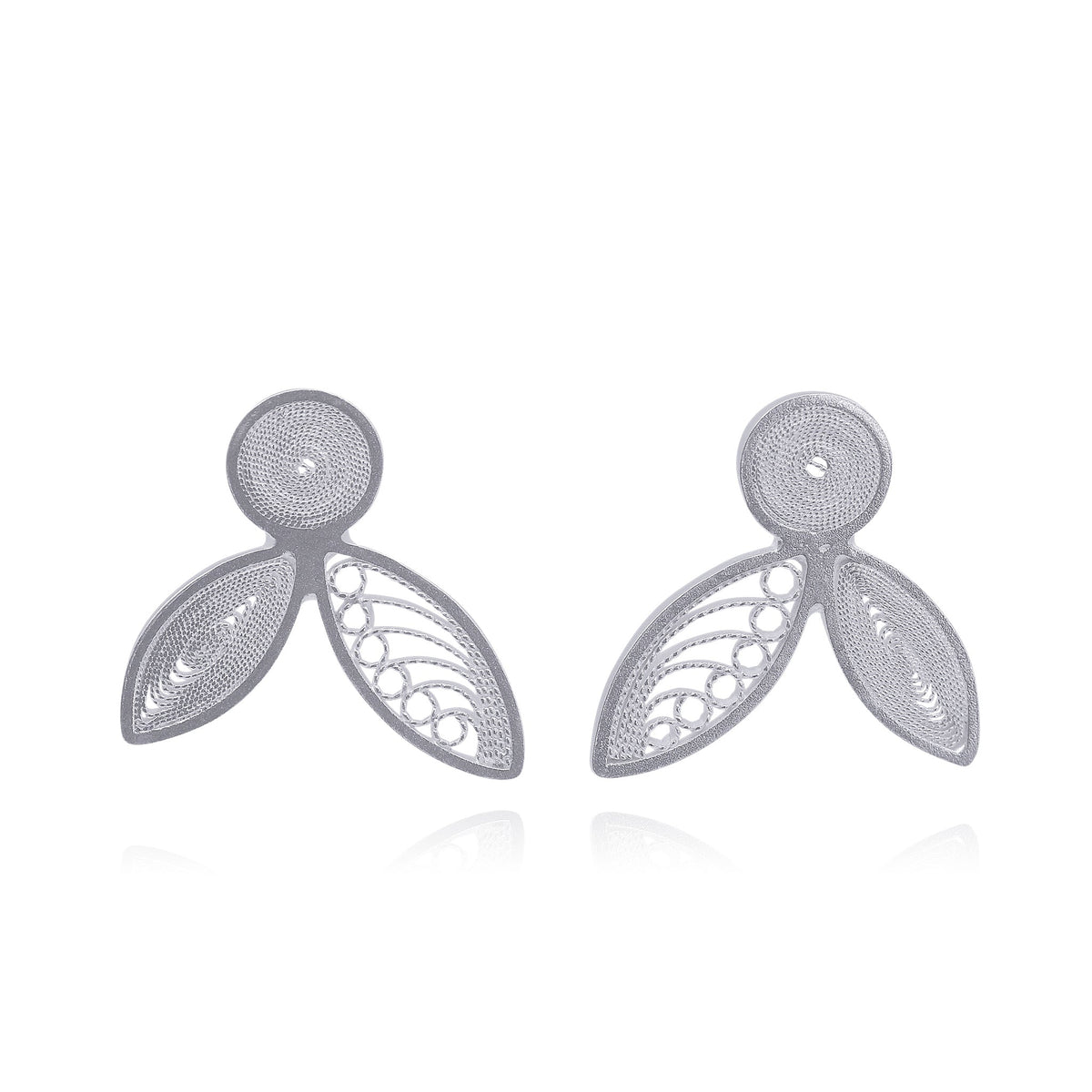
What is Filigree? Filigree is delicate, lace-like ornamental work made from fine, intertwined threads of gold, silver, or other metal wire. The word comes from the Latin words filum (thread) and g...
Read more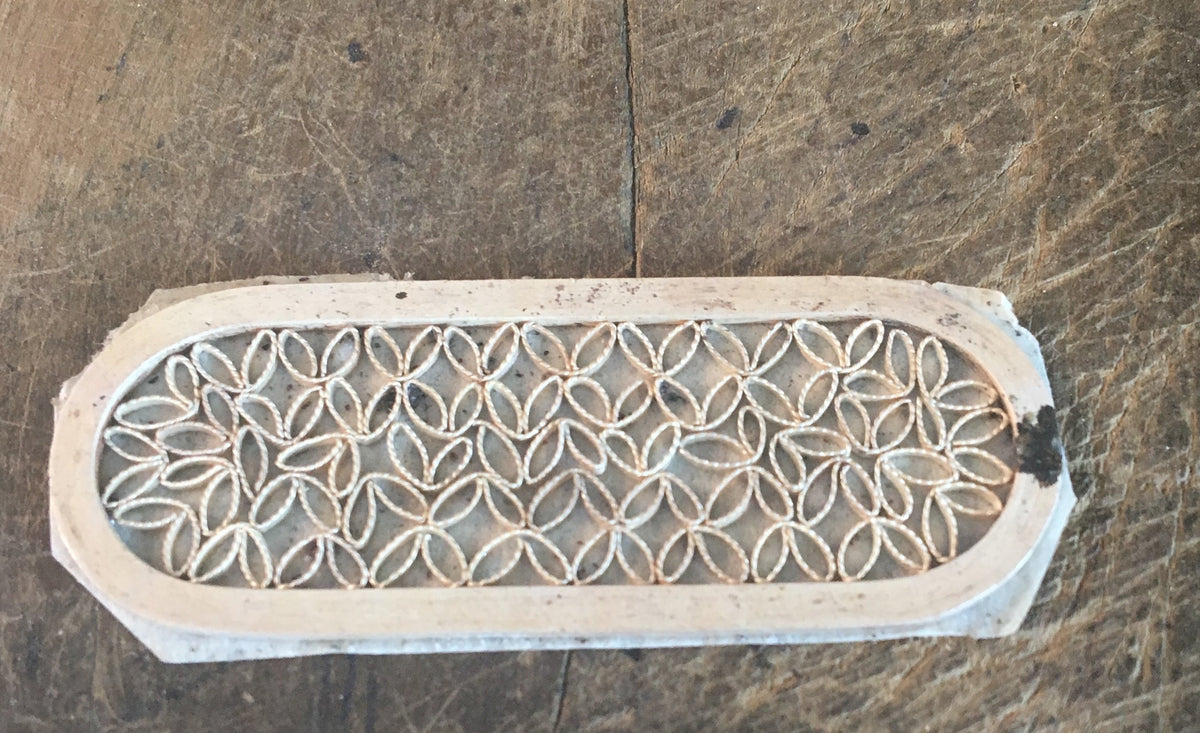
The Difference Between 925 and 970 Sterling Silver When shopping for jewelry, you are likely familiar with the classic "925" stamp. But in my studio, you will often hear me talk about Sterling Silv...
Read more
Leave a comment
This site is protected by hCaptcha and the hCaptcha Privacy Policy and Terms of Service apply.